City of Wine
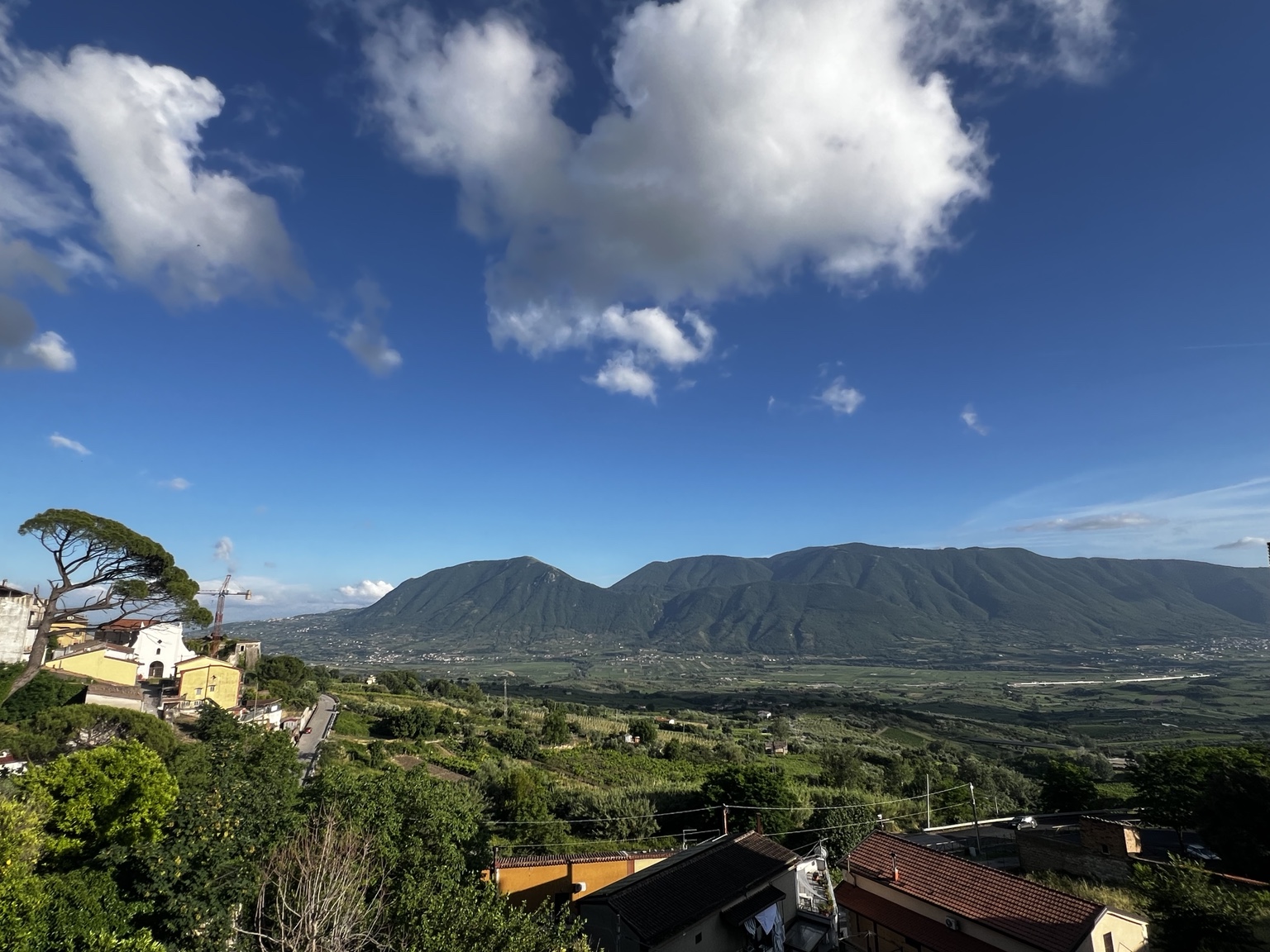
Guardia’s wine identity can support year-round enotourism, producer partnerships, local food, vineyard routes, hospitality and events that lead visitors from the countryside into the historic center.
Turning recognized identity into a living historic center.
A public strategy
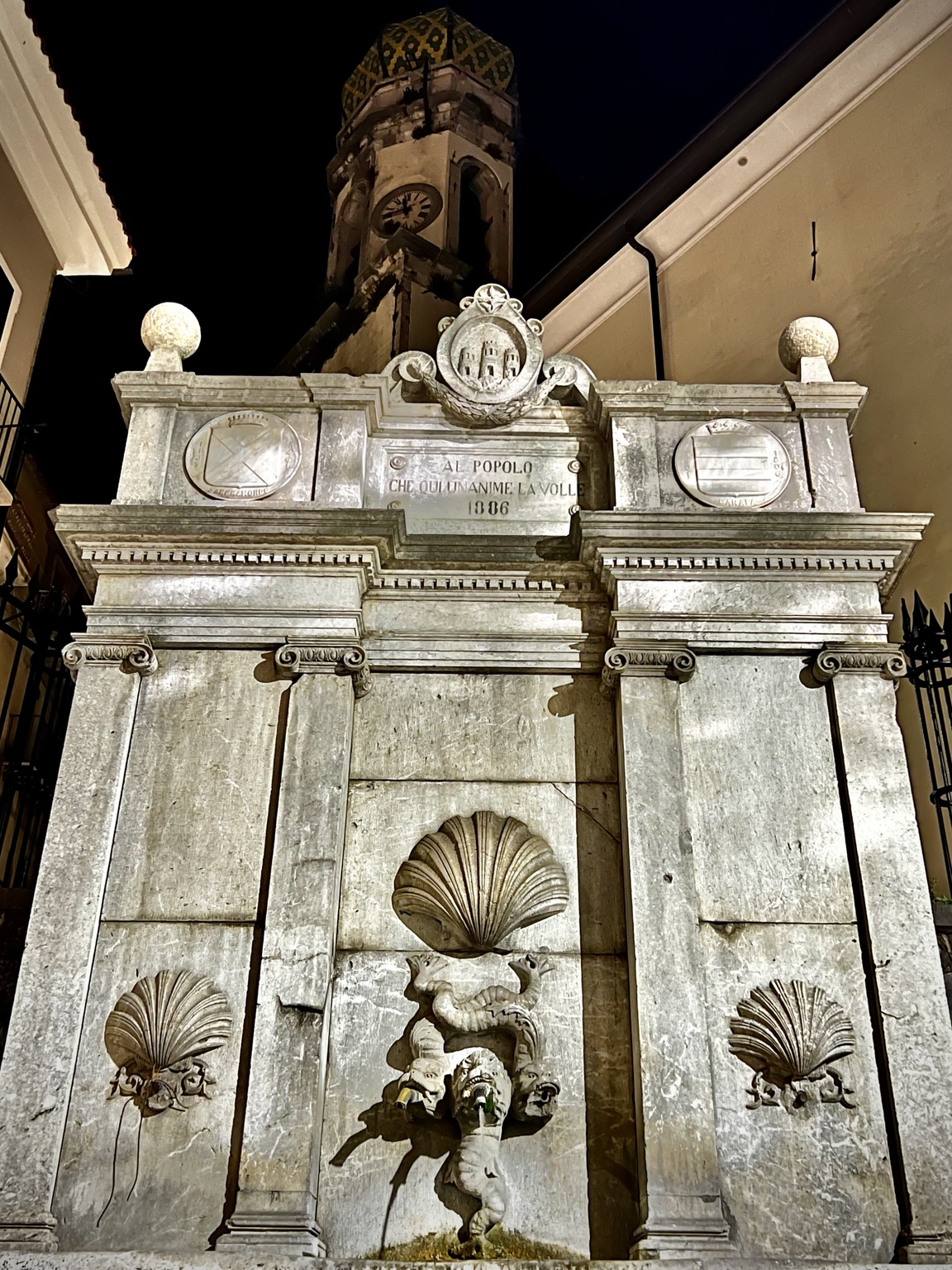
Guardia already has an unusually strong foundation: vineyards and food culture, a historic center, religious and civic heritage, Vinalia, cultural associations, artists, historic buildings and dramatic views. This page sets out how those assets can work together—not as a slogan, but as a practical route to more activity, investment and confidence in the historic center.
A real foundation
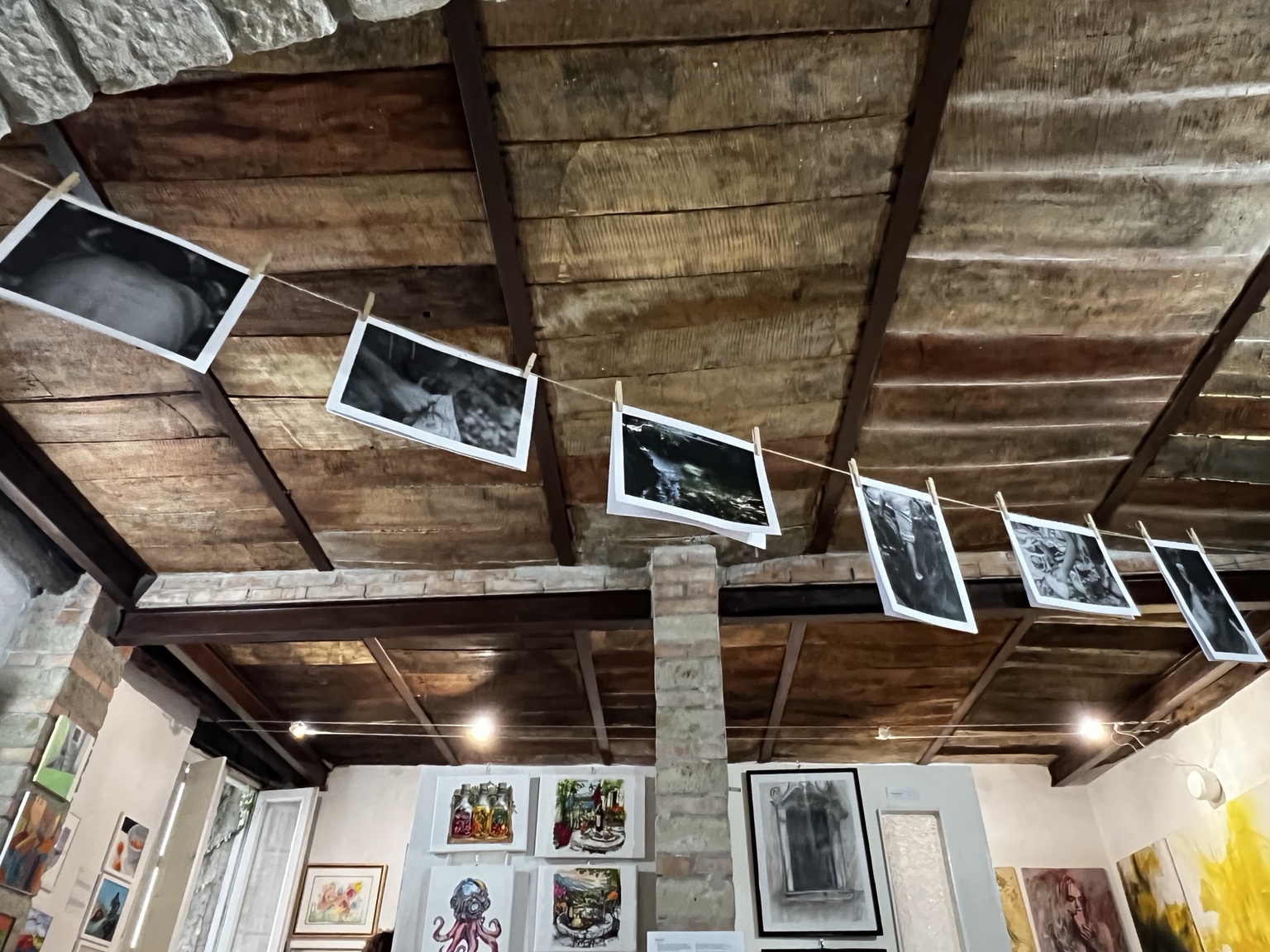
The Comune describes Ave Gratia Plena as a restored hub for art, painting, theater and music. The castle already contains a room for debates and conferences, while the historic center contains small spaces, routes, walls, courtyards and viewpoints that can support exhibitions, performances, workshops and visitor experiences.
That means the first task is not to invent an artificial “arts district.” It is to identify existing cultural people, usable rooms, safe public spaces and historic assets, then connect them through consistent programming and wayfinding.
Two identities, one historic center
Guardia’s wine identity can support year-round enotourism, producer partnerships, local food, vineyard routes, hospitality and events that lead visitors from the countryside into the historic center.
The cultural framework provides a clearer public story for arts programming, heritage interpretation, artist and university partnerships, creative workspaces and cultural enterprise.
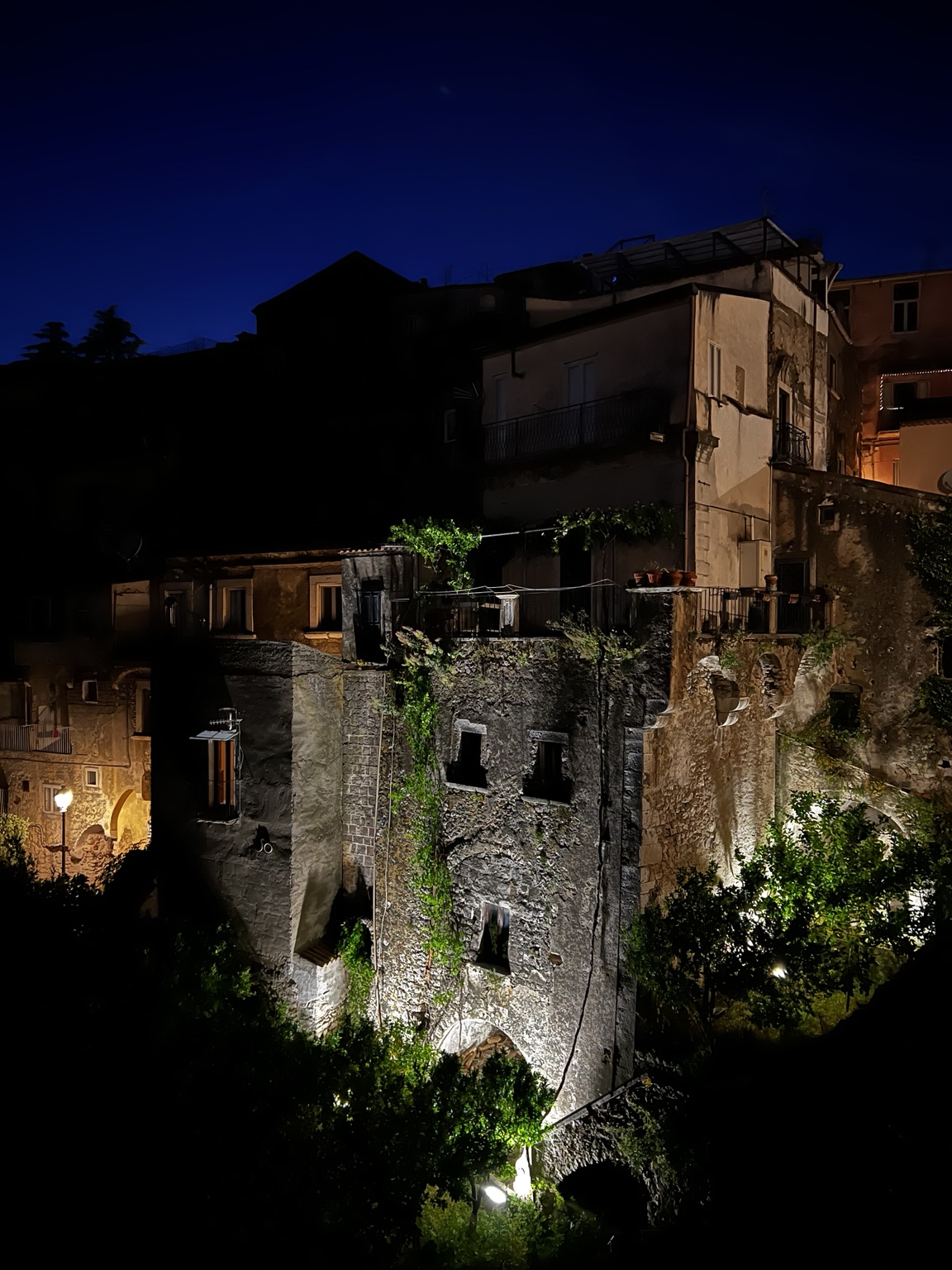
Adaptive reuse gives difficult or underused buildings another path: studios, small galleries, rehearsal rooms, archives, workshops, tasting spaces and short residencies alongside housing restoration.
From designation to activity
Vinalia already demonstrates the power of combining wine, food, music and visual arts in the historic center. The opportunity now is to extend that principle across the year, in a form that works for local producers, artists, residents, visitors and property owners.
12-month proof of concept
Rather than waiting for a large capital project, Guardia can establish visible momentum through a sequence of modest, fundable actions.
Share an idea or partnershipEvidence and sources
Guardia Sanframondi appears in the Campania regional list of tourist municipalities used for the “località turistiche o città d’arte” framework.
View regional annexA Campania regional act records Guardia among the five Sannio-Falanghina municipalities recognized by RECEVIN as European Wine City 2019.
View regional actThe May 2026 article records a meeting to follow Guardia’s City of Art path and frames culture, tourism, jobs and historic-center care as connected goals.
Open supplied article image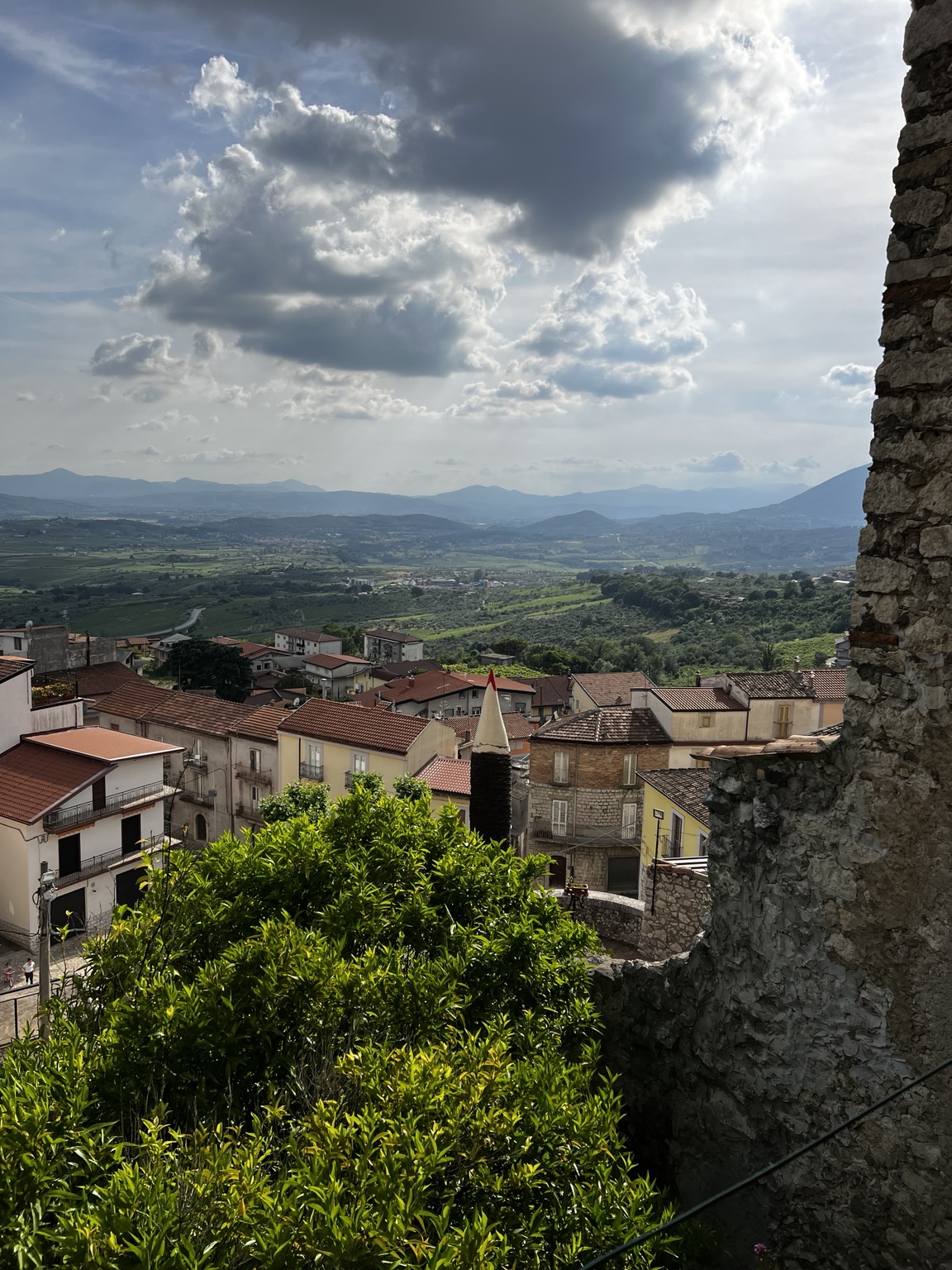
The long view
The value of “Wine and Art” is not that it instantly creates money or solves every access, vacancy and population challenge. Its value is that it gives Guardia a coherent identity for investment, grant applications, programming and partnerships.
Culture can make recovery visible. Wine can make the visitor economy tangible. Together, they can help historic-center spaces become places to work, learn, meet, make, perform and return to.